Thursday 17th July
Read Nahum 3:8-10
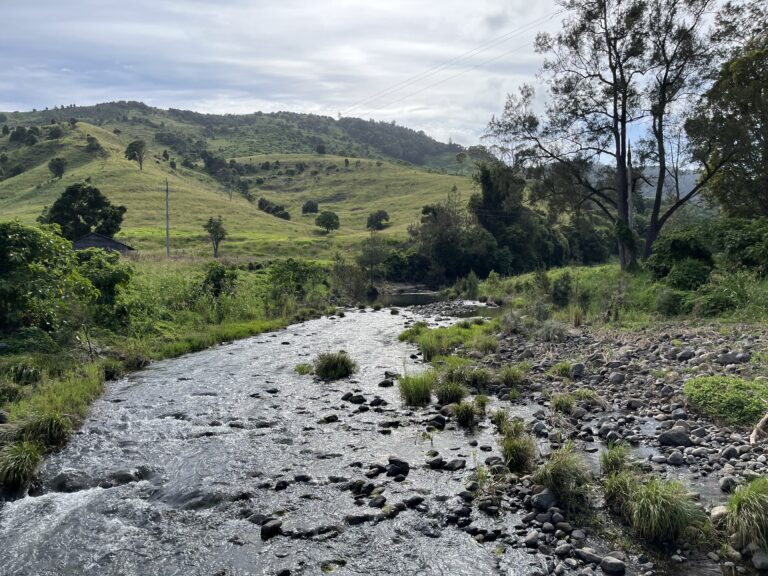
“Are you better than Thebes,
situated on the Nile,
with water around her?
The river was her defence,
the waters her wall.
9 Cush and Egypt were her boundless strength;
Put and Libya were among her allies.
10 Yet she was taken captive
and went into exile.
Her infants were dashed to pieces
at every street corner.
Lots were cast for her nobles,
and all her great men were put in chains.” (NIVUK)
Nahum finally addresses Assyria directly, though she is not named until later (v18). It is a scorching and troubling description of the downfall of an evil empire. Troubling because we are unsure if we should share such rejoicing in her downfall.
The epitaph begins with a simple comparison. Thebes was Nineveh’s equal in power and strength and population and allies and defences. It availed Thebes nothing. She was destroyed, exiled and enslaved in a near genocidal triumph by her enemies. Assyria should know – it was they who inflicted the crushing demolition in 663BC.
Nahum is simply stating that Assyria will be judged in the manner in which she herself meted out judgement. This is the ancient ‘lex talionis’, eye-for-an-eye, principal writ large – at the scale of empire. Perfectly just. Inexorably and unavoidably just.
How we should feel about this is a question that requires meditation. It can’t be addressed with glib scriptural soundbites. We worship another God though if we flinch at the justice meted out. We worship a God who is not good in every way and opposed to evil in all its forms. Our personal response to evil though is shaped by our mortal and diminutive perspective. It requires faith that God is good and that He sent His Son to overcome and destroy evil in all its forms – even the evil within our own hearts.